
Jul
8
Wed
Register by phone at 608-442-4081, or via mail / in-person at Jewish Social Services, 6300 Enterprise Lane, #309, Madison, WI 53719. The program costs $30 per person. You can print out the registration form here: Levy Registration Form
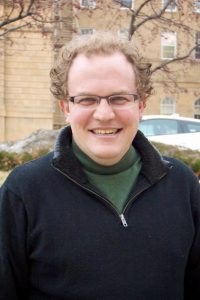
Jonathan Pollack, Writer in Residence at the Mosse/Weinstein Center for Jewish Studies at UW—Madison Jonathan is currently revising and updating his 2019 book, Wisconsin, The New Home of the Jew. At UW, he previously held honorary fellowships in Center for Jewish Studies from 2012-2025, and at UW’s Institute for Research in the Humanities from 2007–2012. Last year, he retired from a 27-year career teaching history at Madison Area Technical College.
“Jewish Athletes and Coaches at the University of Wisconsin, 1896–1918: Ways to be Jewish on Campus”
What was it like to be Jewish at UW-Madison at the turn of the last century? Jewish athletes, coaches, and physical-education professors can illustrate the range of possibilities, from keeping one’s background a secret to participating in the Menorah Society. Jonathan’s talk will highlight the lives of football and baseball coach Phil King, baseball player/coach M. Gordon “Slim” Lewis, trainer Ike Bernstein, field hockey and baseball player Belle Fliegelman, physical- education professor Blanche Trilling, and baseball player Sohnia Sinaiko.
Lunch: Cream of Asparagus Soup, assorted Artisan Rolls and Mini Muffins choice of entrée: Whitefish with Caper Picatta or Stuffed Portabella Mushroom, Bi-Color Baby Carrots, Dauphinoise Potatoes Dessert: Dark Chocolate Ganache Three-Layer Cake
Jul
17
Fri

A Friday erev Shabbat service led by Rabbi Renee Bauer, with assistance from additional JSS staff and volunteers. Join us as we light candles, eat Challah, say Kiddush, and sing songs around the table, every third Friday of the month. The service takes place in the Westmoreland Room behind the front desk of the main entrance. No tickets or registration required – please message Paul Borowsky for any questions.
Jul
29
Wed
Register by phone at 608-442-4081, or via mail / in-person at Jewish Social Services, 6300 Enterprise Lane, #309, Madison, WI 53719. The program costs $30 per person. You can print out the registration form here: Levy Registration Form
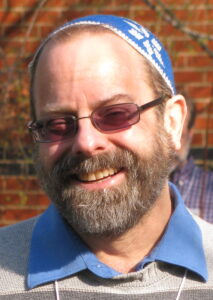
Rabbi Daniel Swartz, Spiritual leader of Temple Hesed, Scranton, PA; Executive Director of the Coalition on the Environment and Jewish Life (COEJL)
Rabbi Swartz helped found the COEJL in 1993. For the past 35 years, he has been engaged in national and international faith-led efforts to promote environmental justice and combat climate change, including working with Pope Francis and helping to convene the global Women Faith Climate Network. Rabbi Swartz has also held leadership positions with Pennsylvania Interfaith Power and Light, Greater Washington IPL, the National Religious Partnership for the Environment, the Children’s Environmental Health Network, and the Religious Action Center of Reform Judaism.
“Climate Justice – Stories of Hope and Action”
Using his own experience with faith-based environmental gatherings from the Vatican to synagogue “green groups,” Rabbi Swartz will help us understand the faith and justice dimensions of the climate crisis. Drawing on generations of Jewish teachings, he will illustrate why it is so important that the Jewish community plays a role in solving this crisis. He will also address actions that each of us can take in our own lives, as well as efforts in which we can join together.
Lunch: Quinoa and Spinach Salad, assorted Artisan Rolls and Mini Muffins choice of entrée: Mahi Mahi with Toasted Kale Beurre Blanc or Angel Hair Pasta with Asparagus, Basil, Garlic Plum Tomato Sauce and Cheese, Roasted Red Potatoes, Vegetable Medley
Dessert: Turtle Sundae
Aug
7
Fri
Please join your neighbors, volunteers and Jewish Social Services staff for candle lighting, challah, wine, songs and discussion to usher in Shabbat, along with the opportunity to recite Kaddish. We look forward to spending this special time together with you! We celebrate Shabbat at Capitol Lakes on the first Friday of each month, led by JSS Rabbi Renee Bauer, with assistance from JSS Staff and UW-Hillel student volunteers.
No tickets or registration required – if you have questions on the event, please contact Paul Borowsky at 608-442-4083.
Aug
9
Sun
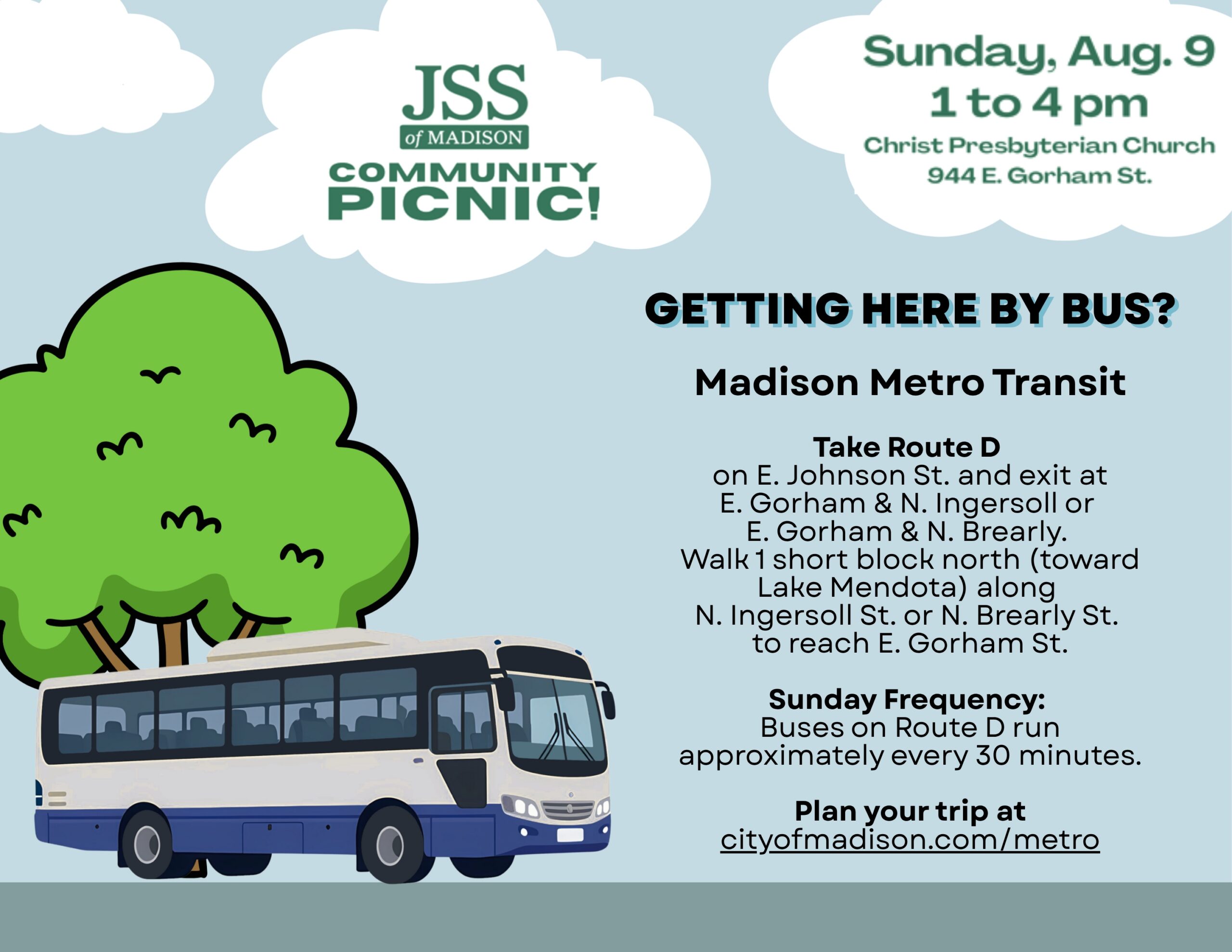
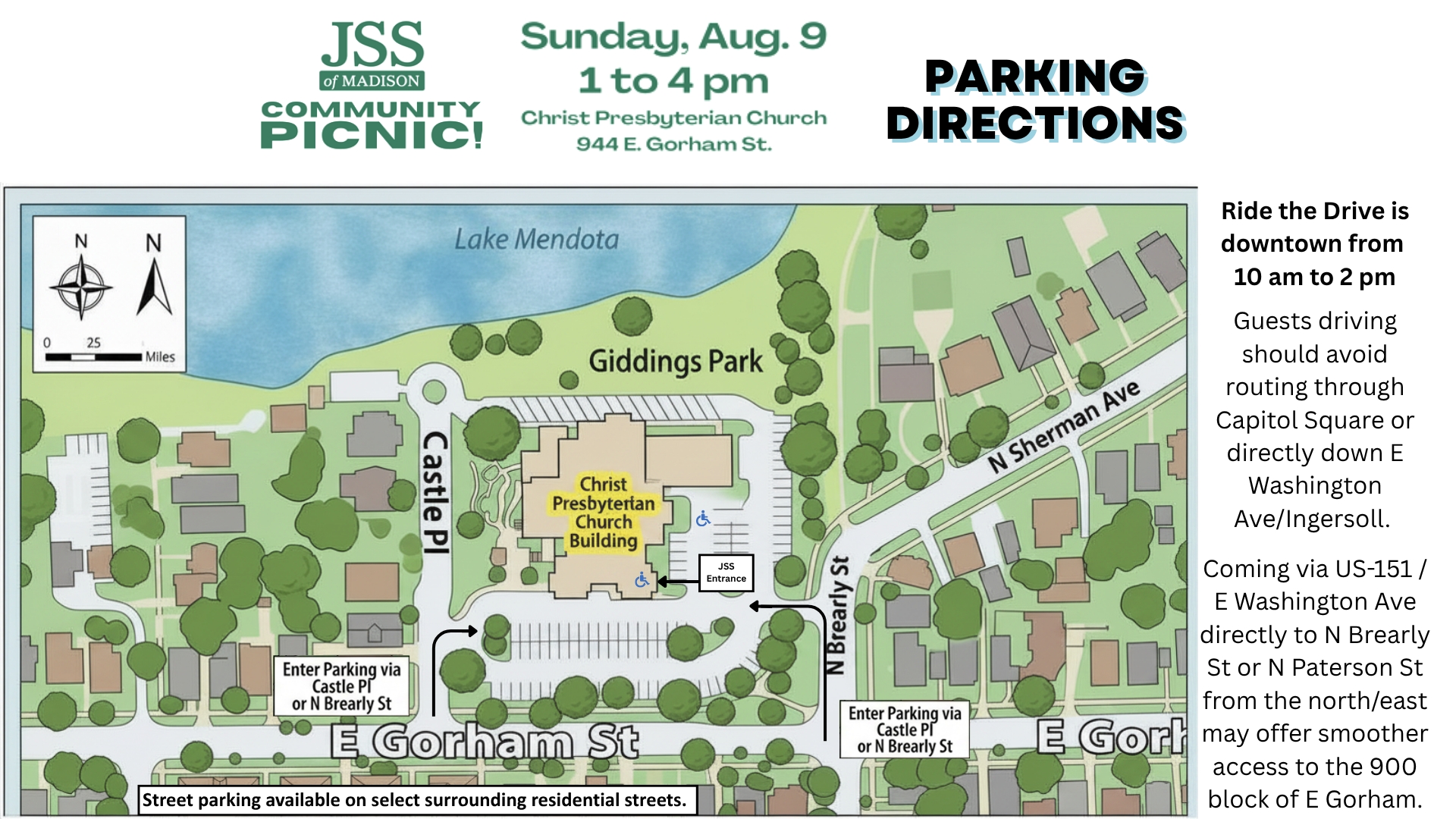
JSS invites you to celebrate our community, clients, volunteers, donors, staff, partners, and all those who help make our mission possible. Bring your family, friends, and good spirits for an afternoon of delicious food, live music, and fun activities for all ages!
Aug
11
Tue
Register by phone at 608-442-4081, or via mail / in-person at Jewish Social Services, 6300 Enterprise Lane, #309, Madison, WI 53719. The program costs $30 per person. You can print out the registration form here: Levy Registration Form
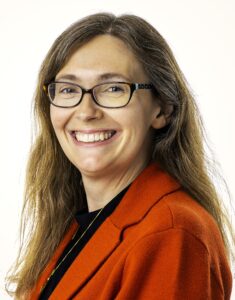
Samantha Abramson, Executive Director, Holocaust Education Resource Center – Milwaukee, WI
Milwaukee native Samantha Abramson holds a Master of Arts degree in Museum Studies from the George Washington University and a Bachelor of Arts degree in History with minors in Jewish Studies, Spanish, and English Literature from the University of Minnesota – Twin Cities. Samantha brings two decades of experience in nonprofits and museums, including the new Capital Jewish Museum, United States Holocaust Memorial Museum, Smithsonian Institution, Jewish Heritage North Carolina, and Jewish Museum Milwaukee. Samantha is a graduate of the Wexner Field Fellowship program for Jewish leaders, and was recently named to the Milwaukee Business Journal’s 40 under 40.
“Bearing Witness Together: Holocaust Education in Wisconsin in 2026”
Did you know that Wisconsin ranks #1 in Holocaust awareness of all 50 U.S. states? Since the unanimous and bipartisan passage of Wisconsin Act 30 by the Wisconsin Legislature in 2021, the Nathan and Esther Pelz Holocaust Education Center has led Holocaust education efforts across our state, partnering with nearly 400 school districts to offer professional development, resources, speakers, and programs. During this conversation, Samantha will share experiences gained and lessons learned on the fifth year of this journey, and explore how the field of Holocaust education continues to evolve to meet the challenges of growing antisemitism and lack of awareness about Jewish identity outside the Holocaust.
Lunch: Grilled Romaine Hearts Salad, assorted Artisan Rolls and Mini Muffins, choice of entrée: Pesto Crusted Sea Bass or Mushroom Risotto, Roasted Vegetables with Toasted Orzo
Dessert: Chocolate Mousse with Fresh Berries
Aug
21
Fri
A Friday erev Shabbat service led by Rabbi Renee Bauer, with assistance from additional JSS staff and volunteers. Join us as we light candles, eat Challah, say Kiddush, and sing songs around the table, every third Friday of the month. The service takes place in the Westmoreland Room behind the front desk of the main entrance. No tickets or registration required – please message Paul Borowsky for any questions.
Aug
25
Tue
Register by phone at 608-442-4081, or via mail / in-person at Jewish Social Services, 6300 Enterprise Lane, #309, Madison, WI 53719. The program costs $30 per person. You can print out the registration form here: Levy Registration Form
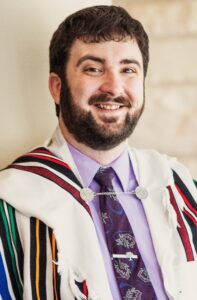
Cantor Jacob Niemi, Temple Beth El – Madison, WI
Cantor Jacob Niemi has served on the clergy team at Temple Beth El in Madison since the summer of 2019. He earned a BA in Sacred Music with a minor in Hebrew language from Florida State University in 2013. He continued his cantorial studies at the Debbie Friedman School of Sacred Music at Hebrew Union College–Jewish Institute of Religion, earning a master’s degree in Sacred Music in 2017 and ordination as a cantor in 2018. Cantor Niemi is also a prolific songwriter, with several melodies composed for Jewish sacred texts (especially liturgy), as well as songs with his own original text.
“What is ‘Traditional’ Jewish Music?: Exploring the Intersections of Music and Memory in Jewish Life”
What makes a melody “traditional”? In this interactive and music-filled session, Cantor Niemi explores how Jewish music evolves across generations – and how the songs we carry become powerful vessels of memory, identity, and belonging. Through storytelling, live musical examples, and our own reflections, we will discover how melodies from the synagogue, summer camp, and beyond come to feel timeless. Together, we will consider what we have inherited, as well as how we help shape the traditions of the future.
Lunch: Seasonal Fruit Plate, assorted Artisan Rolls and Mini Muffins choice of entrée: Baked Salmon with Lemon Beurre Blanc or Vegetable Phyllo with Marinara and Crème Fraiche, Au Gratin Potatoes, Asparagus, and Baby Carrots
Dessert: Assorted Cookies and Bars
Sep
4
Fri
Please join your neighbors, volunteers and Jewish Social Services staff for candle lighting, challah, wine, songs and discussion to usher in Shabbat, along with the opportunity to recite Kaddish. We look forward to spending this special time together with you! We celebrate Shabbat at Capitol Lakes on the first Friday of each month, led by JSS Rabbi Renee Bauer, with assistance from JSS Staff and UW-Hillel student volunteers.
No tickets or registration required – if you have questions on the event, please contact Paul Borowsky at 608-442-4083.